AI-generated editorial illustrations; the scenes do not depict Titan personnel, premises or specific products for sale.
Run-flat replacement decisions should include what happens after a loss of pressure. The tire choice, monitoring system and emergency equipment need to make sense together for the specific vehicle.
Confirm the original requirements
Identify the current tire technology and the vehicle manufacturer's replacement guidance. Do not infer run-flat capability from a stiff sidewall or a retailer's abbreviation alone. Ask whether the proposed tire is approved for the vehicle and wheel combination.
Discuss the emergency arrangement
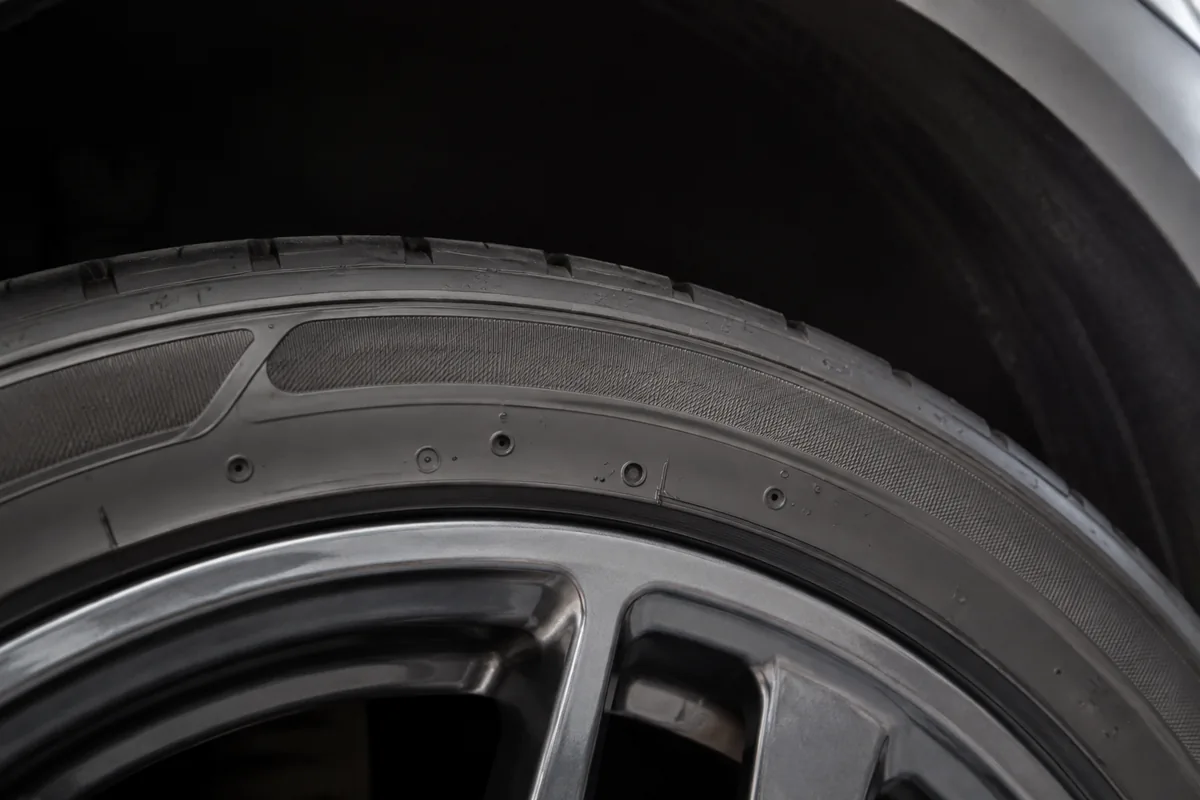
A vehicle supplied with run-flat tires may not carry a conventional spare. If considering a different tire type, ask what changes would be needed to maintain an appropriate mobility plan. Roadside assistance can be part of planning, but it does not establish technical compatibility by itself.
Avoid universal distance promises
Operating restrictions after pressure loss depend on the tire and vehicle guidance and the circumstances. A damaged tire still needs assessment. Before buying, understand the manufacturer's instructions, how the car alerts you to pressure loss and what to do when that warning occurs. The right decision is a complete approved setup with clear instructions, rather than a tire category selected solely for price or ride comfort.
Sources and further reading
These resources provide technical background and consumer guidance for the decisions discussed above. Use the instructions for your exact vehicle and installed components when applying that information. Manufacturer examples describe their own products; Wikipedia is included for general terminology. Sources reviewed September 6, 2026.
A vehicle-specific next step
For help planning service in Madison or the Nashville area, bring the vehicle details and relevant records discussed in this guide. Confirm the inspection scope, current product availability and estimate with the shop.
Frequently asked questions
Can a run-flat tire always be repaired after driving without pressure?
No. Repair eligibility depends on the manufacturer's rules and a professional assessment of the tire and its service history.
Related guides
Continue reading

Tire Shopping · 3 min read
EV Tire Shopping: Compare Range Claims With the Whole Tire
Rolling resistance can matter to an electric vehicle's range, but it is only one part of choosing replacement tires.
Read the guide →Tire Shopping · 3 min read
One Damaged Tire on an AWD Vehicle: Gather These Details
An all-wheel-drive vehicle can make a single damaged tire more complicated than a simple same-size replacement.
Read the guide →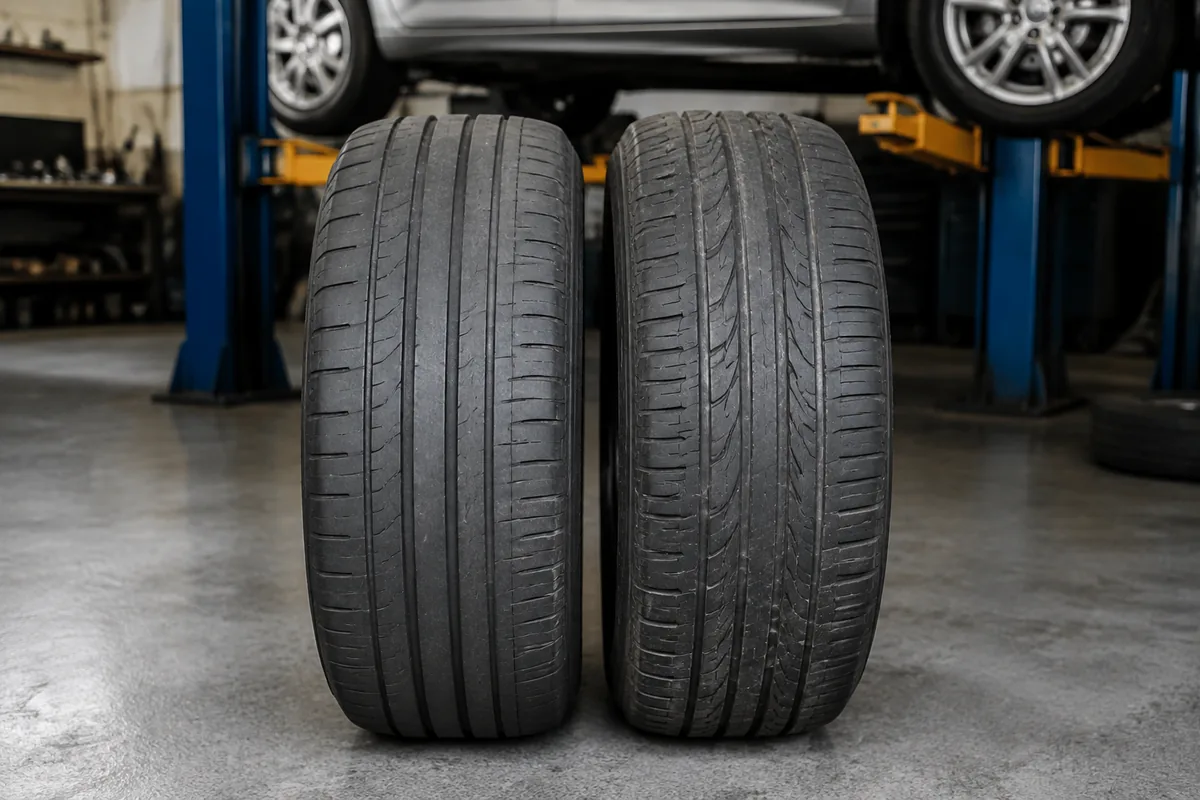
Tire Shopping · 3 min read
Replacing Two Tires: Questions About Placement and Compatibility
A two-tire purchase involves more than choosing a matching size.
Read the guide →