
AI-generated editorial illustrations; the scenes do not depict Titan personnel, premises or specific products for sale.
Rolling resistance can matter to an electric vehicle's range, but it is only one part of choosing replacement tires. Begin with a suitable application, then compare the exact products and the evidence behind their claims.
Keep the vehicle requirements first
Confirm size, load capacity, speed specification and the manufacturer's replacement guidance. An EV label does not by itself establish fitment. The tire must suit the actual vehicle, wheels and intended seasonal use.
Read range evidence in context
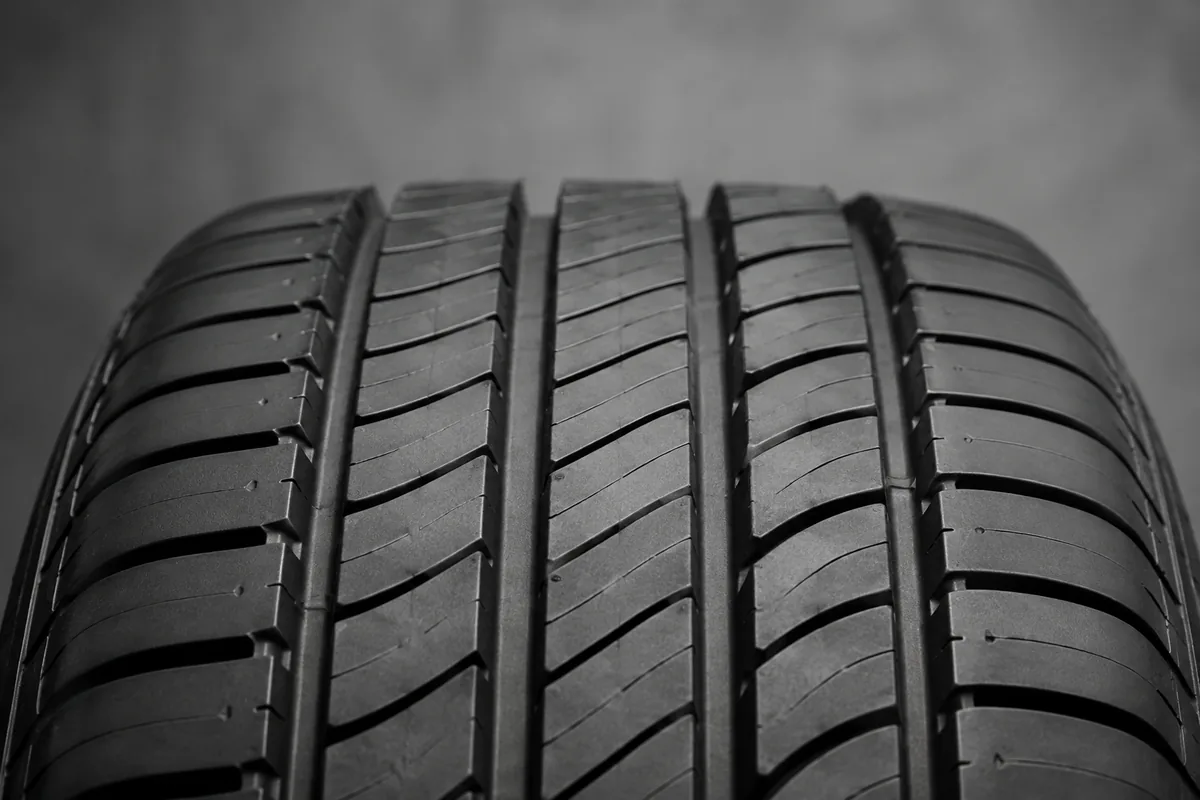
Ask how a claimed efficiency difference was measured and what product it was compared with. Vehicle configuration, tire size, conditions and wear can affect comparisons. Avoid converting a general percentage claim into a promised number of additional miles for your own car.
Compare the other priorities
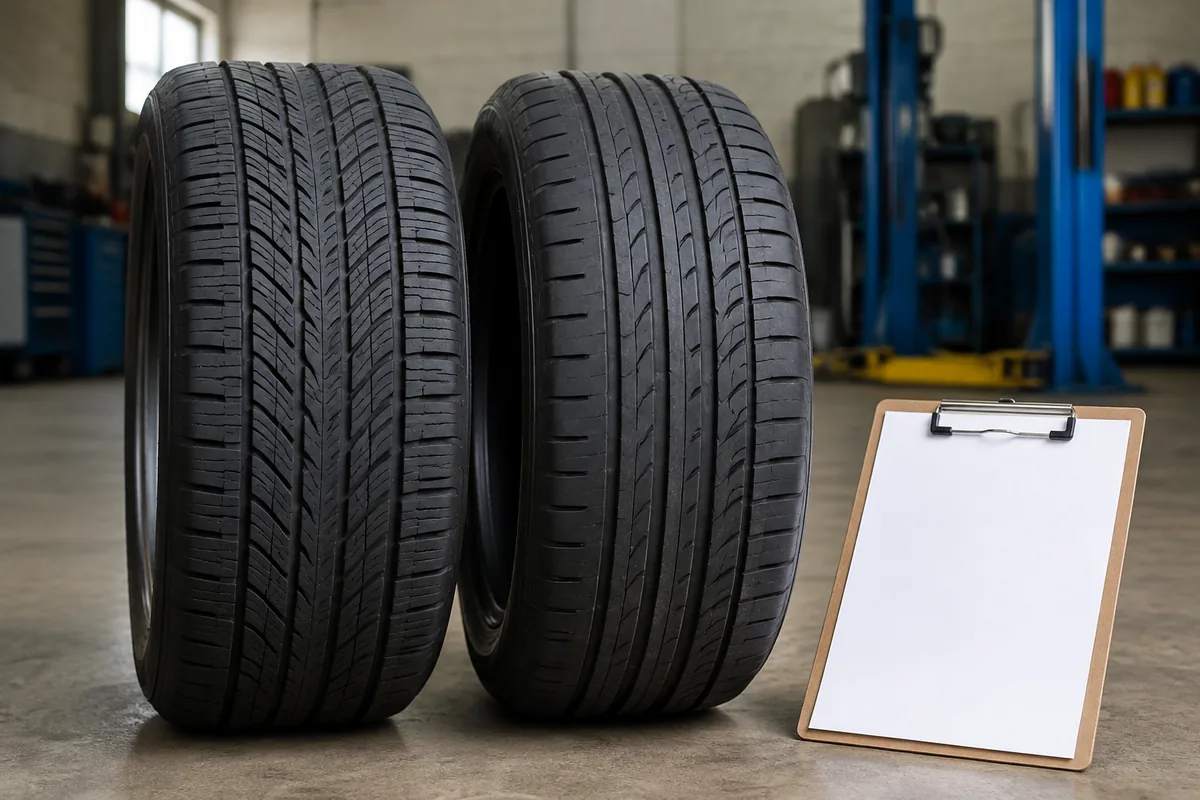
Discuss wet performance, comfort, noise and expected use alongside efficiency and installed price. Preserve proper inflation and routine condition checks after installation. Choosing solely for a range headline can overlook a characteristic that matters more in your daily driving. A balanced shortlist contains approved options with clearly described tradeoffs.
Sources and further reading
These resources provide technical background and consumer guidance for the decisions discussed above. Use the instructions for your exact vehicle and installed components when applying that information. Manufacturer examples describe their own products; Wikipedia is included for general terminology. Sources reviewed September 6, 2026.
A vehicle-specific next step
For help planning service in Madison or the Nashville area, bring the vehicle details and relevant records discussed in this guide. Confirm the inspection scope, current product availability and estimate with the shop.
Frequently asked questions
Does the tire with the lowest advertised rolling resistance always make the best EV choice?
No. Vehicle compatibility and other performance requirements still matter, and the advertising must be interpreted in its test context.
Related guides
Continue reading
Tire Shopping · 3 min read
Replacing Run-Flat Tires: Discuss the Whole Mobility Plan
Run-flat replacement decisions should include what happens after a loss of pressure.
Read the guide →
Tire Shopping · 3 min read
One Damaged Tire on an AWD Vehicle: Gather These Details
An all-wheel-drive vehicle can make a single damaged tire more complicated than a simple same-size replacement.
Read the guide →
Tire Shopping · 3 min read
Replacing Two Tires: Questions About Placement and Compatibility
A two-tire purchase involves more than choosing a matching size.
Read the guide →