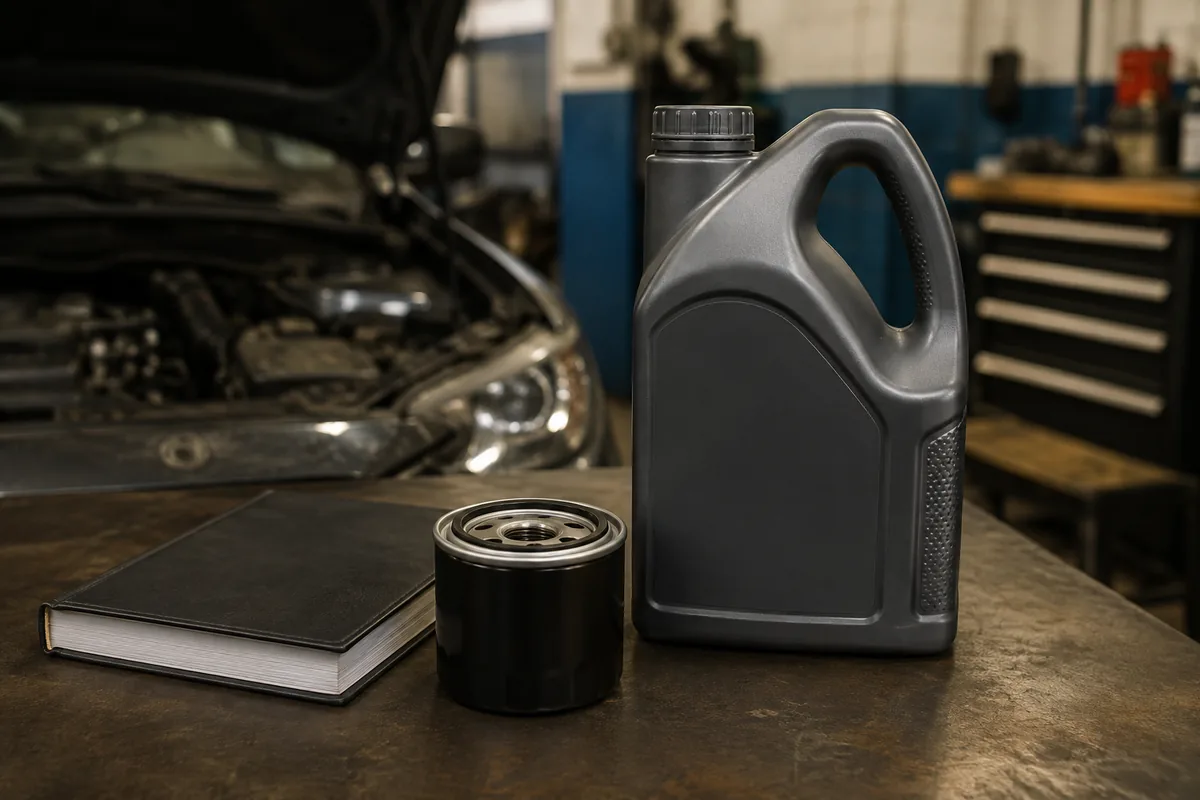
AI-generated editorial illustrations; the scenes do not depict Titan personnel, premises or specific products for sale.
An oil-life display helps communicate service timing, but it should not be read as a picture of how much oil remains in the engine. Understand the displays and checks for your particular vehicle.
Read the message precisely
An oil-change reminder, an oil-level message and an oil-pressure warning can require different responses. Use the owner's manual to identify the exact symbol or text. Do not dismiss a pressure warning as a routine service reminder; follow the manufacturer's stop-driving guidance and arrange assistance when required.
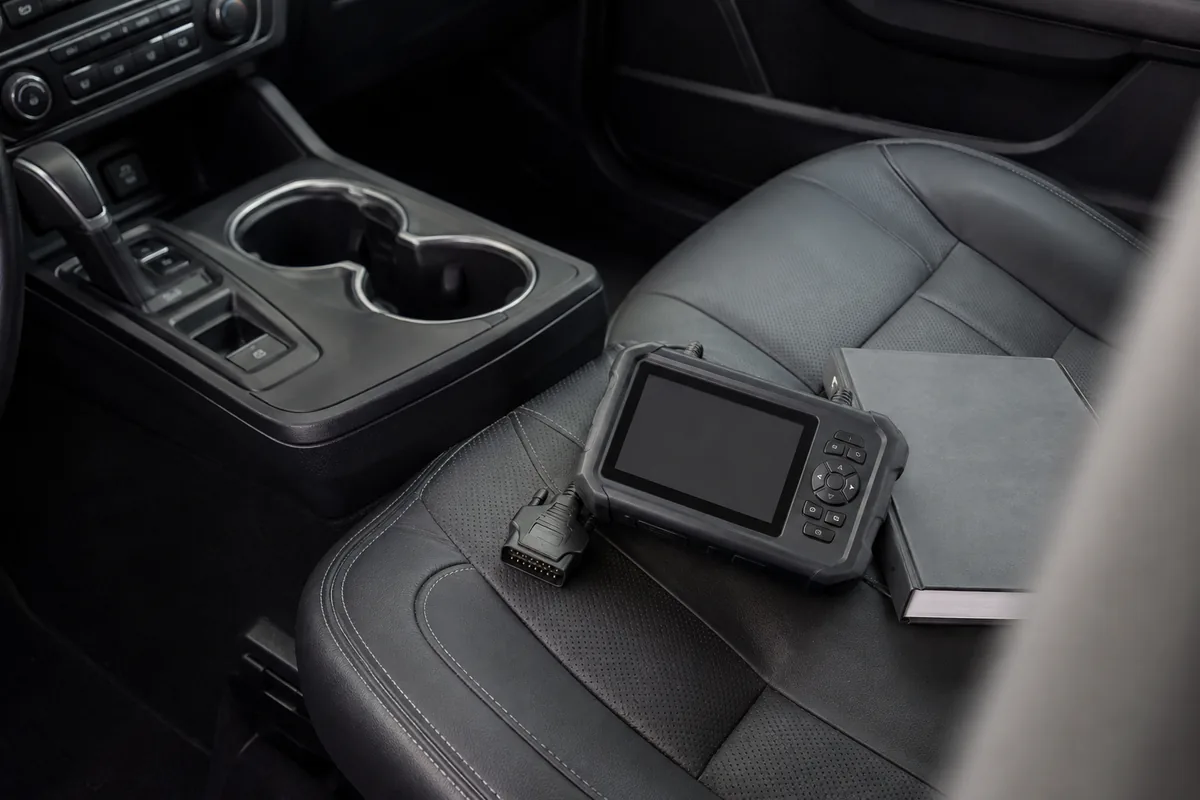
Follow the specified level-check procedure
Some vehicles use a dipstick and others provide an electronic measurement. Conditions and procedures vary. A remaining oil-life percentage does not remove the need for the prescribed level checks or justify adding an arbitrary quantity of oil.

Record service and unusual consumption
Keep the change date, mileage and product details, and ensure any reset is performed only after the corresponding service. If oil needs topping up unexpectedly or repeatedly, report the amounts and timing for assessment. The useful distinction is between when service is due, how much oil is present and whether the lubrication system has a warning condition.
Sources and further reading
These resources provide technical background and consumer guidance for the decisions discussed above. Use the instructions for your exact vehicle and installed components when applying that information. Manufacturer examples describe their own products; Wikipedia is included for general terminology. Sources reviewed September 6, 2026.
A vehicle-specific next step
For help planning service in Madison or the Nashville area, bring the vehicle details and relevant records discussed in this guide. Confirm the inspection scope, current product availability and estimate with the shop.
Frequently asked questions
Does 50 percent oil life mean the engine is half full of oil?
No. It is a service-life indication, not a direct statement of oil quantity. Use the vehicle's separate level-check procedure.
Related guides
Continue reading
Maintenance · 3 min read
A Simple Maintenance Log for a Household With Several Cars
When several vehicles share one household, maintenance dates and specifications are easy to confuse.
Read the guide →Maintenance · 3 min read
Review the Repair Invoice Before Leaving the Shop
The final invoice is the record you will use for maintenance, follow-up and possible coverage questions.
Read the guide →
Maintenance · 3 min read
What to Send Before a Tire or Repair Appointment
A clear appointment request helps the shop identify the vehicle and plan the right kind of visit.
Read the guide →