
AI-generated editorial illustrations; the scenes do not depict Titan personnel, premises or specific products for sale.
When several vehicles share one household, maintenance dates and specifications are easy to confuse. Give each vehicle its own record and build reminders from its actual requirements.
Create one identifiable record per vehicle
Use a clear vehicle name with year, model and relevant engine information. Keep tire and wheel specifications alongside service records. Avoid assuming two similar vehicles use the same oil, filters, pressures or maintenance intervals.
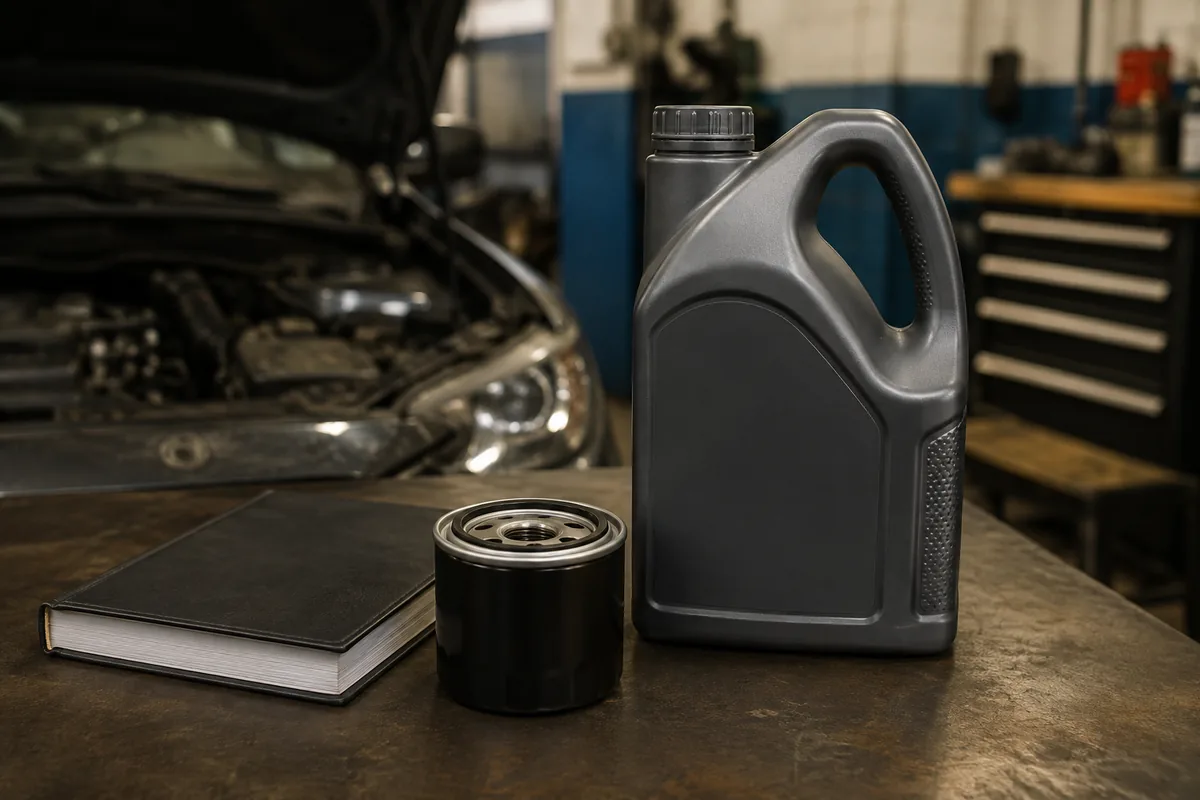
Record both work and findings
Save dates, mileage, installed products and inspection notes. Distinguish completed service from work merely recommended or quoted. A reminder should point to the relevant schedule or follow-up instruction, not just a generic interval applied to the whole household.
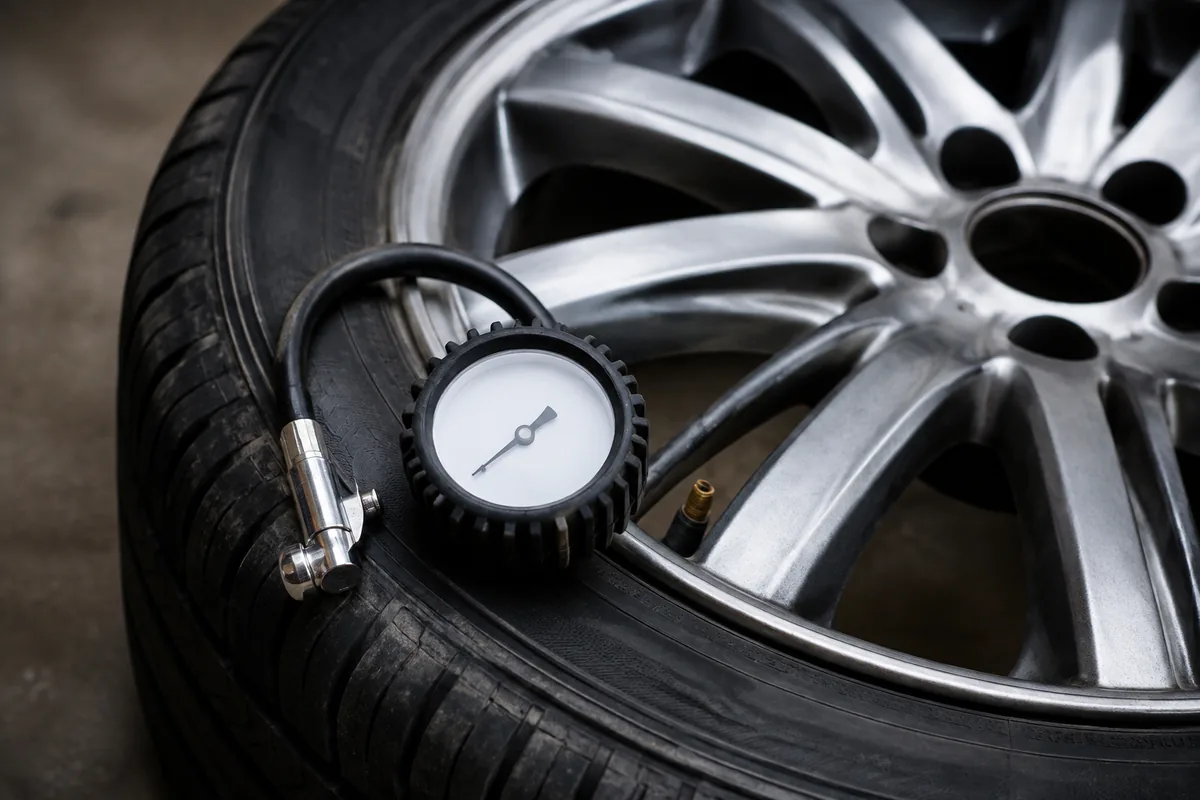
Review the record before appointments
Check what is due, what symptoms have changed and what was deferred. Keep shared access practical so the person taking the car to the shop has the needed information. Update the log from the final invoice after the visit. This routine reduces repeated uncertainty without pretending that a calendar can replace condition checks or the manufacturer's guidance.
Sources and further reading
These resources provide technical background and consumer guidance for the decisions discussed above. Use the instructions for your exact vehicle and installed components when applying that information. Manufacturer examples describe their own products; Wikipedia is included for general terminology. Sources reviewed September 6, 2026.
A vehicle-specific next step
For help planning service in Madison or the Nashville area, bring the vehicle details and relevant records discussed in this guide. Confirm the inspection scope, current product availability and estimate with the shop.
Frequently asked questions
Can I use one maintenance schedule for two cars of the same brand?
Only when the applicable manufacturer requirements actually match. Engine, model year, equipment and use can create differences.
Related guides
Continue reading
Maintenance · 3 min read
Review the Repair Invoice Before Leaving the Shop
The final invoice is the record you will use for maintenance, follow-up and possible coverage questions.
Read the guide →
Maintenance · 3 min read
What to Send Before a Tire or Repair Appointment
A clear appointment request helps the shop identify the vehicle and plan the right kind of visit.
Read the guide →
Maintenance · 3 min read
A Battery Test Result Needs the Right Context
A printed battery result is easier to assess when it identifies the battery and the test conditions.
Read the guide →