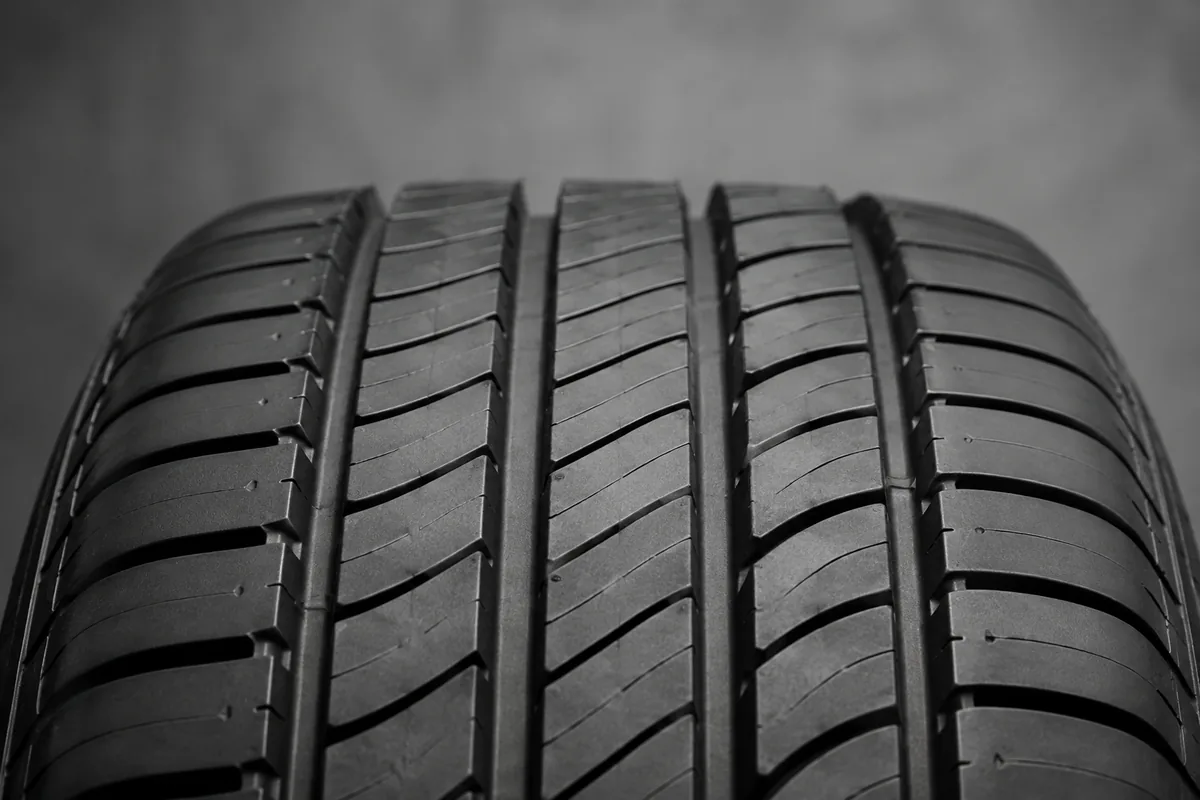
AI-generated editorial illustrations; the scenes do not depict Titan personnel, premises or specific products for sale.
An alignment can correct an identified geometry concern, but it cannot restore rubber already worn away. Review the condition of the existing tires separately from the corrected measurements.
Document the starting condition
Ask for the wear pattern and relevant tread measurements before the service. A tire may already be unsuitable to retain, or it may need monitoring under a supported maintenance plan. The alignment report alone does not decide whether the tire remains serviceable.

Set realistic expectations
Existing wear can continue to affect how a tire feels or sounds. If a symptom remains, tell the shop rather than assuming the alignment failed or that all remaining effects are harmless. The current tire condition and other possible causes still need consideration.

Track the replacement set appropriately
If tires are replaced, keep the alignment report and follow the vehicle's inflation and rotation guidance. Future inspections can then compare wear with a known starting point. Ask when a follow-up check is appropriate for the actual condition and use. A corrected setting is one part of tire care, not a permanent exemption from checking pressures or inspecting the vehicle after an impact.
Sources and further reading
These resources provide technical background and consumer guidance for the decisions discussed above. Use the instructions for your exact vehicle and installed components when applying that information. Manufacturer examples describe their own products; Wikipedia is included for general terminology. Sources reviewed September 6, 2026.
A vehicle-specific next step
For help planning service in Madison or the Nashville area, bring the vehicle details and relevant records discussed in this guide. Confirm the inspection scope, current product availability and estimate with the shop.
Frequently asked questions
Should an unevenly worn tire become smooth and quiet immediately after alignment?
No. The service does not reverse existing wear. Remaining symptoms and the tire's suitability should be assessed separately.
Related guides
Continue reading

Alignment and Ride · 3 min read
Keep Alignment and Tire-Care Records in One Place
An organized tire folder helps with routine maintenance and with questions about uneven wear or coverage.
Read the guide →
Alignment and Ride · 3 min read
After a Pothole, Ask What the Inspection Covers
A pothole inspection should address the symptoms and visible condition, not just sell a single service by default.
Read the guide →
Alignment and Ride · 3 min read
Tell the Alignment Shop About Regular Loads and Modifications
The vehicle's condition and the manufacturer's setup procedure matter when alignment is measured.
Read the guide →