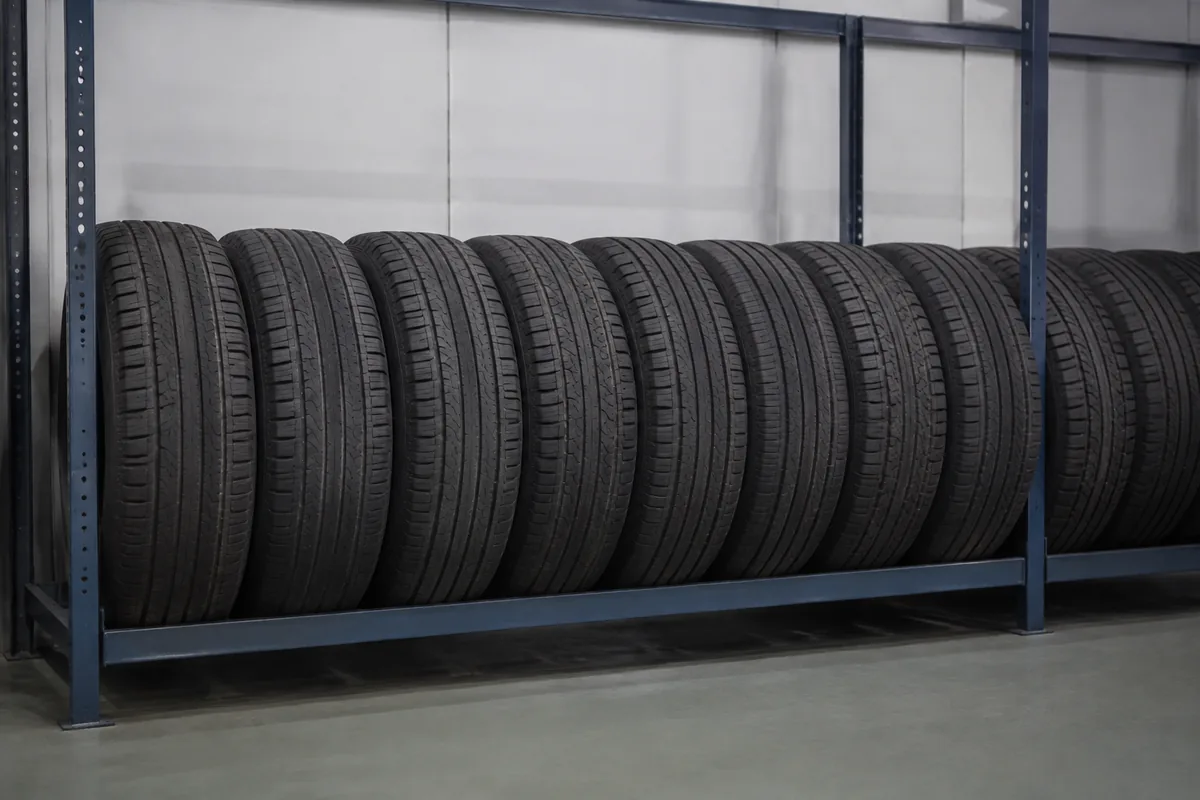
AI-generated editorial illustrations; the scenes do not depict Titan personnel, premises or specific products for sale.
Good storage records make the next installation easier to discuss. A few notes can preserve information about wheel position, wear and problems that would otherwise be forgotten between seasons.
Record the set's identity
Write down the tire model, size and identifying information, and distinguish front and rear specifications when the vehicle uses different sizes. Photograph existing condition for your own records. Keep any inspection findings with the set rather than relying on memory months later.

Describe symptoms before removal
Mention a slow leak, vibration or uneven wear before the tires are put away. Storage will not correct those concerns. Ask whether a tire or wheel needs attention now and whether the next installation should include a particular inspection. Position labels are useful history, but they do not override the vehicle's rotation restrictions.
Match storage practice to the assembly
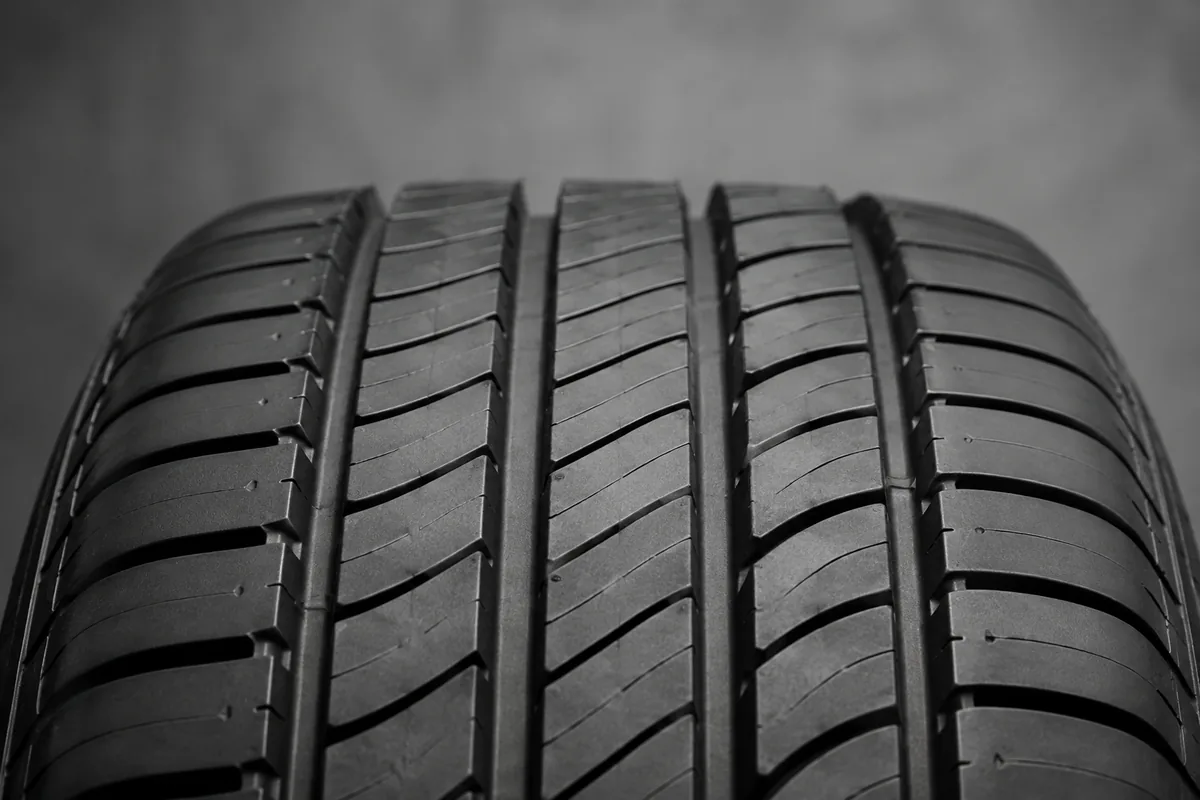
Follow the tire manufacturer's guidance for mounted wheels versus unmounted tires and for the storage environment. Keep the set away from damaging conditions and avoid piling unrelated items on it. Before reinstalling, have condition and suitability checked again. The calendar changing back to the right season does not prove the set remained ready for service.
Sources and further reading
These resources provide technical background and consumer guidance for the decisions discussed above. Use the instructions for your exact vehicle and installed components when applying that information. Manufacturer examples describe their own products; Wikipedia is included for general terminology. Sources reviewed September 6, 2026.
A vehicle-specific next step
For help planning service in Madison or the Nashville area, bring the vehicle details and relevant records discussed in this guide. Confirm the inspection scope, current product availability and estimate with the shop.
Frequently asked questions
Should position labels determine where each tire goes next season?
They document the previous arrangement. The next positions should follow the vehicle's requirements, the tire design and an assessment of current condition.
Related guides
Continue reading

Tire Care · 3 min read
Tracking Tire Wear on an EV Without Guessing the Cause
If an EV's tires wear faster than expected, begin with measurements and the actual maintenance history.
Read the guide →
Tire Care · 3 min read
After Buying Tires, Keep Registration and Purchase Records
The paperwork after a tire purchase is useful long after the installation visit.
Read the guide →Tire Care · 3 min read
Checking a Tire Recall Starts With Accurate Identification
A recall can apply to a particular product and production range rather than every tire carrying the same brand.
Read the guide →