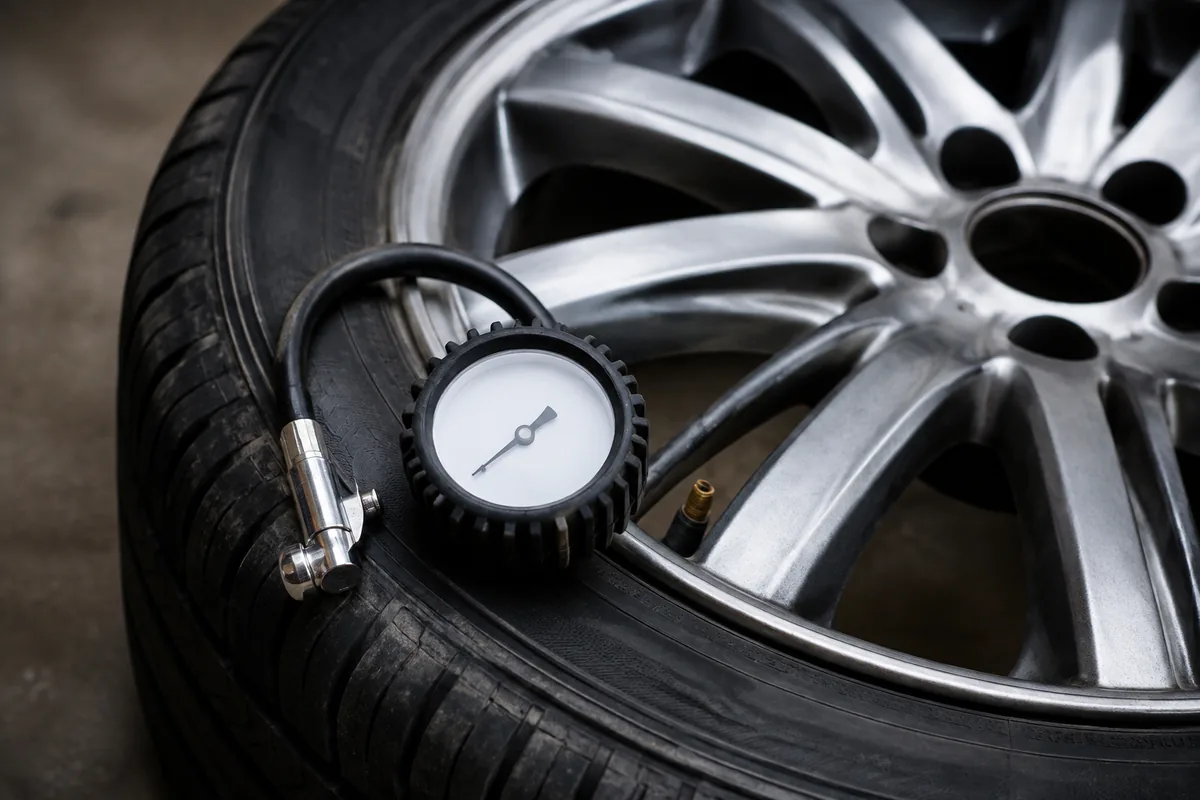
AI-generated editorial illustrations; the scenes do not depict Titan personnel, premises or specific products for sale.
A small difference between gauges can leave an owner unsure which reading to trust. The useful next step is a consistent measurement process and a check of the tools, rather than repeatedly adding and releasing air to chase two different numbers.
Start with comparable conditions
Measure under the conditions specified in the vehicle's tire-pressure guidance. A reading after driving is not directly comparable with one taken before the car has been used. Note which wheel you measured, when you measured it and which gauge you used. That simple record can separate a changing tire temperature from an inconsistent instrument.
Check the connection and the instrument
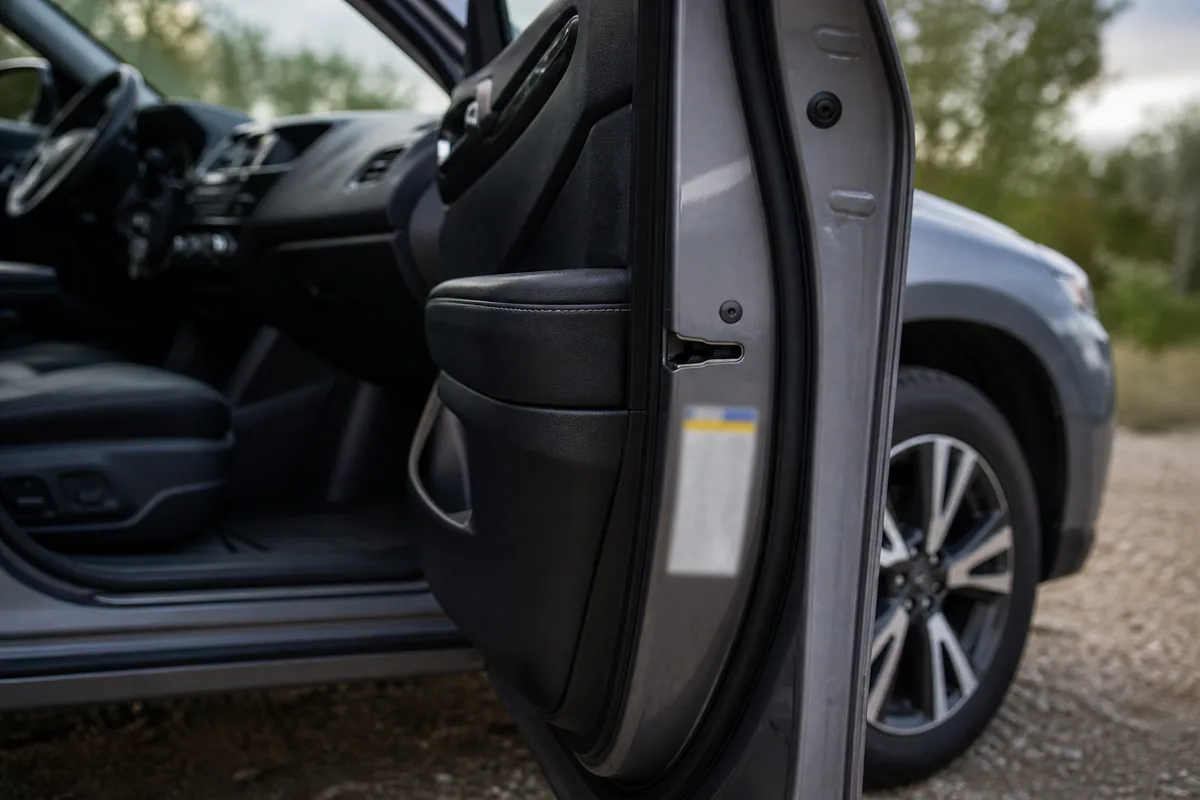
A poor seal at the valve can interrupt a reading. Inspect the gauge for obvious damage and follow its instructions. If results remain inconsistent, ask a tire professional to compare it with a suitable reference gauge. Do not assume an expensive-looking tool is accurate or that a dashboard display must update immediately.

Use the vehicle's target
Once the measurement is reliable, compare it with the pressure specified for the vehicle's actual approved setup. The tire sidewall maximum is a different piece of information. If the wheels or tires have been changed, have the correct target established rather than inventing an adjustment. Repeated pressure loss still calls for inspection even when the measurement tool works correctly.
Sources and further reading
These resources provide technical background and consumer guidance for the decisions discussed above. Use the instructions for your exact vehicle and installed components when applying that information. Manufacturer examples describe their own products; Wikipedia is included for general terminology. Sources reviewed September 6, 2026.
A vehicle-specific next step
For help planning service in Madison or the Nashville area, bring the vehicle details and relevant records discussed in this guide. Confirm the inspection scope, current product availability and estimate with the shop.
Frequently asked questions
Should I average two different gauge readings?
Averaging does not establish that either instrument is accurate. Resolve the measurement difference and use the appropriate vehicle pressure guidance.
Related guides
Continue reading

Tire Care · 3 min read
Tracking Tire Wear on an EV Without Guessing the Cause
If an EV's tires wear faster than expected, begin with measurements and the actual maintenance history.
Read the guide →
Tire Care · 3 min read
After Buying Tires, Keep Registration and Purchase Records
The paperwork after a tire purchase is useful long after the installation visit.
Read the guide →Tire Care · 3 min read
Checking a Tire Recall Starts With Accurate Identification
A recall can apply to a particular product and production range rather than every tire carrying the same brand.
Read the guide →