AI-generated editorial illustrations; the scenes do not depict Titan personnel, premises or specific products for sale.
A long trip can make changes in noise, vibration or pressure more noticeable. Review new observations afterward so they are not forgotten before the next service visit.
Note events and symptoms
Record impacts, pressure warnings and any change that appeared during the journey. Include approximate timing and the conditions in which it occurred. Do not assume that a symptom disappearing on a different road means the underlying concern has been resolved.
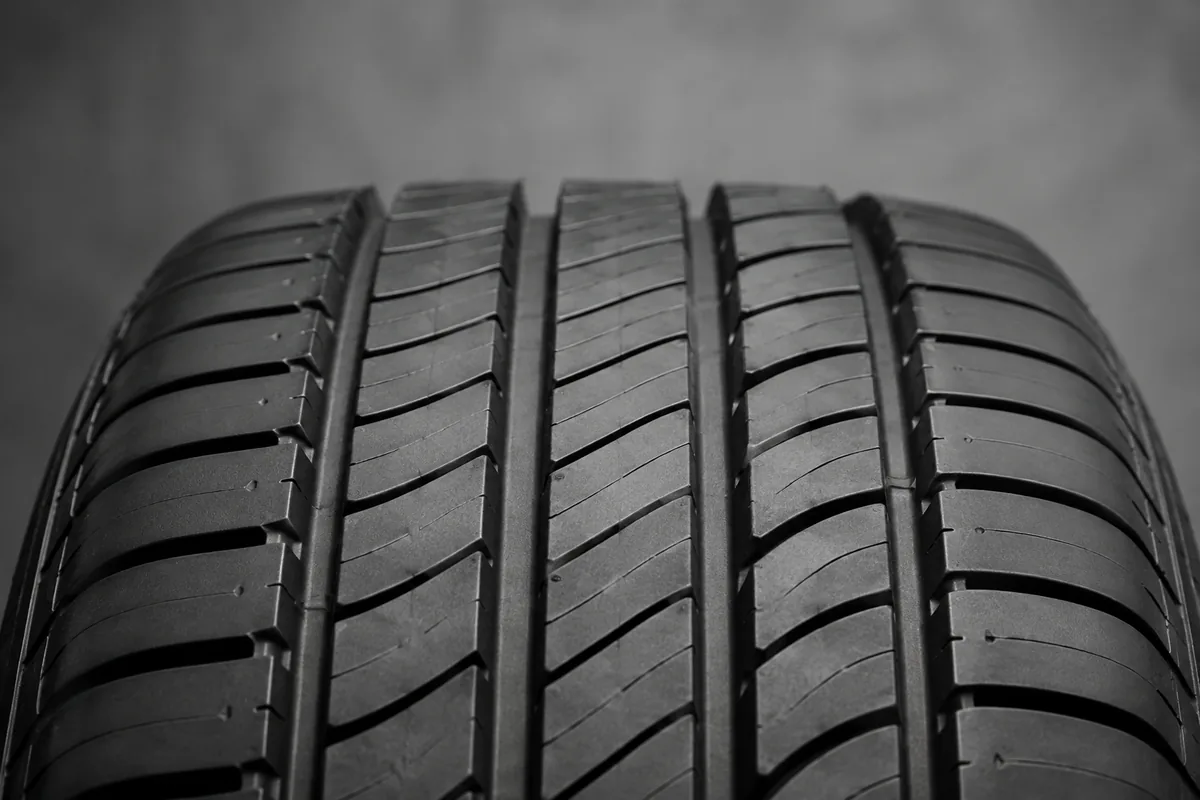
Check condition using the usual guidance
Inspect for visible damage and follow the vehicle's pressure-check instructions. Arrange assessment of persistent loss, unusual wear or a new vibration. If there is a serious handling or braking concern, avoid further driving until the appropriate advice and inspection are obtained.
Update the maintenance record
Add the trip mileage and compare upcoming service requirements with the vehicle's schedule. A long highway trip does not automatically require every fluid to be changed, but it may bring a mileage-based item due. Keep any new findings with the existing tire and repair records so the next appointment starts with a clear history.
Sources and further reading
These resources provide technical background and consumer guidance for the decisions discussed above. Use the instructions for your exact vehicle and installed components when applying that information. Manufacturer examples describe their own products; Wikipedia is included for general terminology. Sources reviewed September 6, 2026.
A vehicle-specific next step
For help planning service in Madison or the Nashville area, bring the vehicle details and relevant records discussed in this guide. Confirm the inspection scope, current product availability and estimate with the shop.
Frequently asked questions
Should I ignore a new vibration if it only appeared late in the trip?
No. Record it and arrange assessment. Timing is useful diagnostic information, not evidence that the symptom is harmless.
Related guides
Continue reading
Road Trips · 3 min read
Sending a Car Away With a Student: Make the Service Handoff Useful
Before a car leaves home for a semester, organize the information its driver will need to maintain it and get help.
Read the guide →
Road Trips · 3 min read
Good Tires Do Not Make a Flooded Road a Safe Route
Tire condition matters in wet weather, but it does not make floodwater predictable.
Read the guide →Road Trips · 3 min read
Before Loading the Car for a Trip, Review Tire and Vehicle Limits
Passengers, luggage and accessories all belong in a road-trip loading plan.
Read the guide →