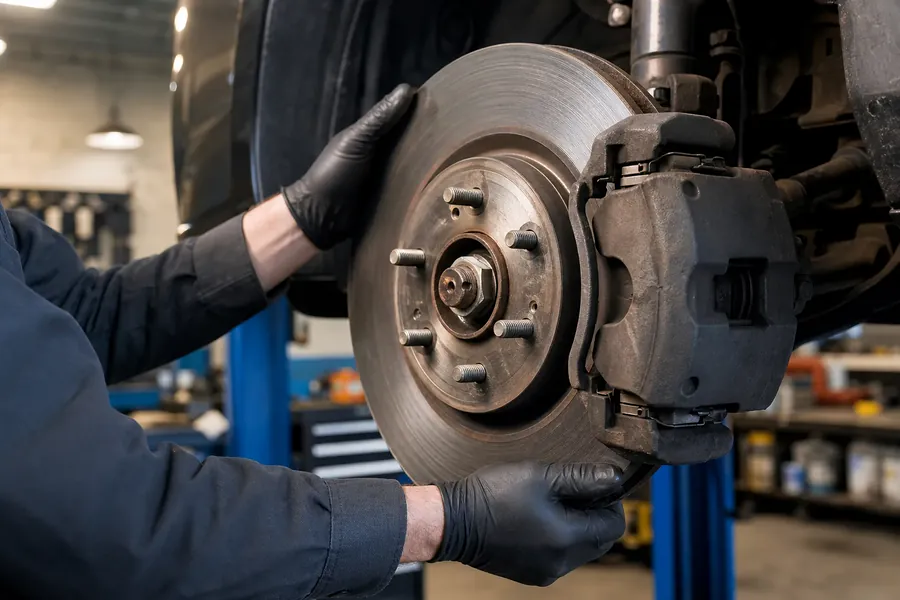
When Brake Fluid Needs Attention is easier to understand when symptoms, recorded measured data, car or truck specifications, and newer prior context are considered together. This guide gives Madison and Nashville motorists a careful way to collect helpful documented facts, recognize reasons to reduce normal travel, and prepare for a professional condition review without guessing at a replacement part or promising a repair before the motor vehicle is checked. Use the steps as a conversation aid, not as permission to work around traffic, heat, pressure, electricity, moving components, or an unsupported vehicle. When the safe limit of a home observation is reached, preserve what you noticed and let well-matched equipment and car-specific service background guide the next decision.
Why this topic deserves a complete look
For Madison and Nashville people on the road, brake fluid transfers hydraulic force and could absorb moisture over time, while a low level may separately reflect wear or leakage. A straightforward decision therefore starts with the whole vehicle context before jumping to one isolated symptom. Mileage, newly completed equipped facility work, road impacts, operating temperature, load, and the service timing of a variation can all alter what the next hands-on review should prioritize.
The objective is not to diagnose a motor vehicle from an overview. It is to improve the ability to you recognize relevant documented facts, avoid a risky shortcut, and explain the concern clearly. That makes an in-person condition review more efficient and reduces the chance that an unrelated hardware item is replaced simply because it is commonly associated with the symptom.
What drivers commonly notice
The observations most relevant to this subject include dark fluid, a service interval, soft pedal, low-level caution signal, visible leak, or newly completed hydraulic work. One detail alone might be inconclusive, but a pattern across several observations is valuable. Document when each symptom began, whether it is constant or intermittent, and what speed, road surface, temperature, steering input, or braking input makes it better or worse.
Changes that affect steering, braking, tire structure, pressure retention, engine temperature, or the ability to start and control the vehicle deserve a conservative response. If the car feels unsafe, move out of traffic when possible and arrange qualified improve the ability to instead of extending a test drive to gather more observations.
A practical inspection approach
A sensible first look is to review vehicle guidance, inspect reservoir level when proper, test operating state with suitable methods, and evaluation the entire hydraulic vehicle system. Work only where the car is parked securely and follow the owner's specifics for access points, pressures, fluids, and warnings. Photographs and written test recorded values are more practical than memory, especially when a symptom differences between a cold start and a later drive.
Guard against the temptation to reach beneath an unsupported automobile, touch moving or hot components, or open a pressurized cooling mechanism. A repair team can add documented values that are not practical at home, including lift inspection, runout, load testing, scan data, hydraulic reviews, or manufacturer-specific specifications.
Problems that can look similar
color alone is not a complete test, and adding fluid does not correct contamination, leaks, or worn components. This overlap is why a parts list generated from a symptom is not a diagnosis. A technician might need to verify several systems in a deliberate order, beginning with safety, visible condition, correct installation, and basic objective readings before moving to specialized tests.
Recent work is especially worth noting. A problem that begins after tire installation, a battery replacement, suspension work, a collision, or an accessory installation could new behavior the diagnostic path. Share the invoice or exact timeline even if the earlier work seems unrelated.
Shortcuts to avoid
Do not rely on mixing incompatible fluid specifications or opening the system without cleanliness and bleeding controls. A shortcut can erase practical findings, add a second issue, or make a vehicle appear temporarily improved while the underlying observed state continues. Warning lights, fluid loss, structural tire damage, strong vibration, and altered braking or steering should be treated as background without relying on inconveniences to hide.
Online advice also cannot account for every trim, drivetrain, wheel package, engine, or prior modification. Confirm specifications for the exact car. When replacement replacement items are involved, compatibility, installation method, torque, calibration, and post-repair verification matter as much as the part name.
Information to have ready for service
Before requesting an appointment, prepare required fluid type, service background, pedal symptoms, dashboard warnings, leaks, and planned brake repairs. Include the best description of the symptom in your own words. State whether the car could be driven safely, whether a alert is flashing or steady, and whether the condition is getting worse.
A precise request helps the facility decide whether to begin with a tire and wheel review, mechanical hands-on review, electrical test, scan, fluid test, or another service. It also helps the team verify current scheduling, components, and pricing without promising a repair before the automobile has been evaluated.
A local, practical next step
Madison-area normal travel combines short trips, busy corridors, highway speeds, summer heat, heavy rain, and rough pavement. Those operating factors might expose a weak battery, low tire pressure, marginal tread, cooling issue, vibration, or suspension wear. Recheck the car or truck after a major weather variation, impact, or service when the topic calls for it.
Titan Tire & Wheels is located at 1432 Gallatin Pike N in Madison, Tennessee. Call (615) 953-7490 before visiting with the motor vehicle supporting facts and observations above. Today's availability, diagnosis, hardware, price, repair scope, and warranty context should always be confirmed directly for the specific car or truck.
Questions worth asking after the inspection
Request that the technician to separate confirmed findings from possibilities that were considered but not verified. For when brake fluid needs attention, choice-ready findings might include objective readings, visible operating state, a road-test observation, scan background, electrical results, pressure behavior, or comparison with the automobile specification. The explanation should show why the recommended action fits the observations and which symptom it is expected to correct.
Another practical question is whether another service must happen first, whether related components were inspected, and how the completed work will be verified. Depending on this topic, verification might include a second measurement, pressure hold, alert-light review, charging test result, alignment printout, road test, or visual reinspection. Confirm which replacement items, labor, service facility supplies, taxes, disposal, calibration, and warranty terms are included before authorizing work.
Finally, request a practical follow-up point. That may be an immediate recheck if a alert returns, a pressure or fluid review after several days, a torque recheck where specified, normal maintenance time frame, or monitoring a documented measurement. An findings-based follow-up protects both the person at the wheel and the repair business because it defines what improvement should look like and what new observations would justify another examination.
Frequently asked questions
Can this concern be diagnosed from the symptom alone?
No. The symptom helps choose an inspection path, but measurements and vehicle-specific checks are needed before identifying a cause or repair.
What information should I have ready?
Bring the vehicle year, make, model, trim, mileage, recent service history, the timing of the symptom, warning-light behavior, and any measurements or photographs described in this guide.
When should I stop driving?
Stop and arrange qualified help when steering, braking, tire structure, pressure retention, engine temperature, visibility, or basic vehicle control is compromised.
Why should I call before visiting?
Current scheduling, diagnostic availability, inventory, parts, pricing, and repair scope vary. Calling first helps the shop prepare the appropriate next step.
Related guides
Continue reading
Brake Repair · 5 min read
Parking Brake Care and Warning Signs
Practical brake repair guidance about parking brake: symptoms, safe checks, look-alike problems, and details Madison drivers should share before service.
Read the guide →Brake Repair · 5 min read
What a Brake Warning Light Can Mean
Practical brake repair guidance about brake warning light: symptoms, safe checks, look-alike problems, and details Madison drivers should share before service.
Read the guide →Brake Repair · 6 min read
When Brake Pads and Rotors Should Be Evaluated Together
Practical brake repair guidance about brake pads: symptoms, safe checks, look-alike problems, and details Madison drivers should share before service.
Read the guide →