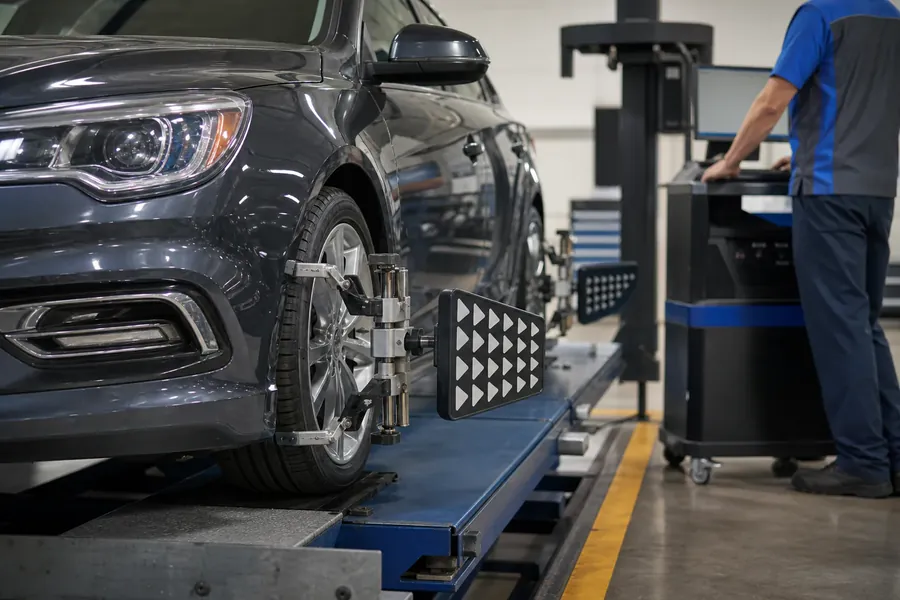
Wheel Offset and Fitment Basics is easier to understand when symptoms, documented values, automobile specifications, and newly completed history are considered together. This guide gives Madison and Nashville motorists a safety-conscious way to collect helpful supporting specifics, recognize reasons to reduce car operation, and prepare for a professional inspection without guessing at a replacement part or promising a repair before the motor vehicle is checked. Use the steps as a conversation aid, not as permission to work around traffic, heat, pressure, electricity, moving components, or an unsupported car or truck. When the safe limit of a home observation is reached, preserve what you noticed and let correct equipment and car or truck-specific service context guide the next service decision.
Use vehicle-specific information
offset positions the wheel relative to the hub and affects inner clearance, outer placement, steering geometry, and bearing load. The exact year, model, trim, drivetrain, installed tire and wheel sizes, engine, and modifications can variation the acceptable specification or test method. Generic advice should be a preparation tool, never a substitute for that car-specific context.
Service background matters too. A recently purchased car or truck can have mixed hardware or incomplete records, while a long-owned motor vehicle provides a clearer baseline. Bring invoices, measured results, and photographs if they show when a observed state started or how quickly it changed.
Separate observations from conclusions
Relevant observations might include inner rubbing, tire contact at full lock, a wheel sitting too far outward, or a changed steering feel. Describe the sound, motion, alert, smell, or visual condition directly. Then add the circumstances: cold or hot, wet or dry, loaded or empty, straight or turning, low speed or highway speed.
This separation prevents confirmation bias. If everyone begins by assuming the same failed part, documented facts that points elsewhere might be overlooked. A sound hands-on review should be willing to conclude that the suspected mechanism is normal and that another source deserves attention.
Safe checks before the visit
When conditions allow, record wheel diameter, width, offset, bolt pattern, center bore, tire size, and the exact motor vehicle trim. Take care around traffic, hot replacement items, pressurized systems, moving belts, damaged tires, and raised automobiles. If the test cannot be performed safely from the ground with the car or truck secured, leave it for proper equipment.
Compare findings with a known specification and with other positions on the same car. A single photograph may hide scale, depth, inner surfaces, or movement under load. Shops use documented values because appearance alone often cannot distinguish acceptable variation from a concern that needs correction.
Keep alternative causes in view
similar-looking wheels can have different mounting geometry, and spacer use shifts the effective position. Several road and vehicle factors can sometimes occur at once. For example, an impact may damage a tire and alter alignment, or a weak battery could coexist with a key-off electrical draw. Solving only the most visible symptom can lead to a repeat visit.
Clarify which findings are confirmed, which are consequences, and which are still hypotheses. The answer should connect the symptom to findings such as wear pattern, pressure loss, measured play, voltage under load, scan data, temperature, leakage, or dimensional fitment.
Avoid making the evidence worse
Specifically avoid selecting offset from appearance alone or assuming every wheel in a diameter fits every motor vehicle. Also avoid clearing warnings, washing away a fresh leak, discarding old objective readings, or changing several variables at once before the appointment. Those actions may make an intermittent operating state harder to reproduce.
Safety comes first, so preserving observations never means normal travel an unsafe motor vehicle. When a tire is structurally damaged, brakes shift, steering becomes loose, a alert flashes, or temperature rises, stop and arrange the appropriate roadside or towing response.
What to tell the shop
A complete call should cover year, make, model, trim, suspension changes, brake package, tire size, and desired appearance. Mention most recent weather, impacts, long trips, towing, accessory installation, and previous attempts to correct the issue. State your practical goal, such as low-risk daily transportation, highway comfort, correct fitment, or preparing for travel.
The team can then explain the first condition check step and validate as-installed availability. Parts and prices might depend on measured results, condition, and car or truck-specific requirements, so a helpful initial conversation sets expectations without pretending the diagnosis is already complete.
Plan around local conditions
Heat, sudden rain, potholes, short trips, and repeated interstate use are common around Madison and greater Nashville. Each might difference when a symptom appears. Seasonal pressure shifts and heat load are especially worth noting, but they should not be used to dismiss a repeated leak, alert, or control fault.
Titan Tire & Wheels serves drivers from 1432 Gallatin Pike N in Madison. Call (615) 953-7490 before visiting. Bring the car details and notes from this guide, then validate diagnosis, scope, time frame, price, replacement items, and warranty background for the actual automobile.
Questions worth asking after the inspection
Request a technician's explanation that to separate confirmed findings from possibilities that were considered but not verified. For wheel offset and fitment basics, useful findings can include recorded measured data, visible observed state, a road-test observation, scan particulars, electrical results, pressure behavior, or comparison with the motor vehicle specification. The explanation should show why the recommended action fits the evidence and which symptom it is expected to correct.
Another relevant question is whether another service must happen first, whether related components were inspected, and how the completed work will be verified. Depending on this topic, verification might include a second measurement, pressure hold, warning-light look, charging finding, alignment printout, road test, or visual reinspection. Confirm which parts, labor, automotive business supplies, taxes, disposal, calibration, and warranty terms are included before authorizing work.
Finally, request a practical follow-up point. That may be an immediate recheck if a warning returns, a pressure or fluid test after several days, a torque recheck where specified, normal maintenance service timing, or monitoring a documented measurement. A complete follow-up protects both the customer and the technician because it defines what improvement should look like and what new findings would justify another condition look.
What an actual wheel photo can and cannot tell you
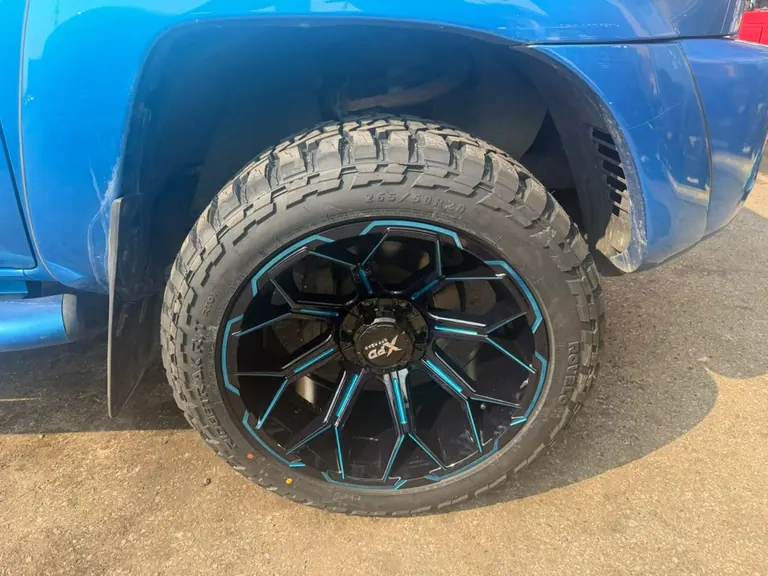
This photo shows a black wheel with blue accents and a visible 265/50R20 tire marking. It is useful for discussing appearance and identifying information to collect. It does not provide the wheel's exact part number, width, offset, center bore, load rating or approved tire-width range.
For a fitment request, collect the wheel-box label or manufacturer part number, the complete tire specification, vehicle year and trim, and any suspension or body modifications. Clearance, load capacity and mounting hardware must be checked for the actual combination. Do not copy a setup simply because another truck looks similar.
- Browse wheel designs and request a fitment check
- Contact Titan Tire & Wheels with your vehicle details
Frequently asked questions
Can this concern be diagnosed from the symptom alone?
No. The symptom helps choose an inspection path, but measurements and vehicle-specific checks are needed before identifying a cause or repair.
What information should I have ready?
Bring the vehicle year, make, model, trim, mileage, recent service history, the timing of the symptom, warning-light behavior, and any measurements or photographs described in this guide.
When should I stop driving?
Stop and arrange qualified help when steering, braking, tire structure, pressure retention, engine temperature, visibility, or basic vehicle control is compromised.
Why should I call before visiting?
Current scheduling, diagnostic availability, inventory, parts, pricing, and repair scope vary. Calling first helps the shop prepare the appropriate next step.
Related guides
Continue reading
Wheel Fitment · 5 min read
Aftermarket Wheel Fitment Checklist
Practical wheel fitment guidance about aftermarket wheels: symptoms, safe checks, look-alike problems, and details Madison drivers should share before service.
Read the guide →Wheel Fitment · 6 min read
Wheel Balancing vs. Alignment: Which Problem Fits the Symptoms?
Practical wheel fitment guidance about wheel balancing: symptoms, safe checks, look-alike problems, and details Madison drivers should share before service.
Read the guide →Wheel Fitment · 5 min read
Curb Rash: Cosmetic Mark or Structural Wheel Damage?
Practical wheel fitment guidance about curb rash: symptoms, safe checks, look-alike problems, and details Madison drivers should share before service.
Read the guide →