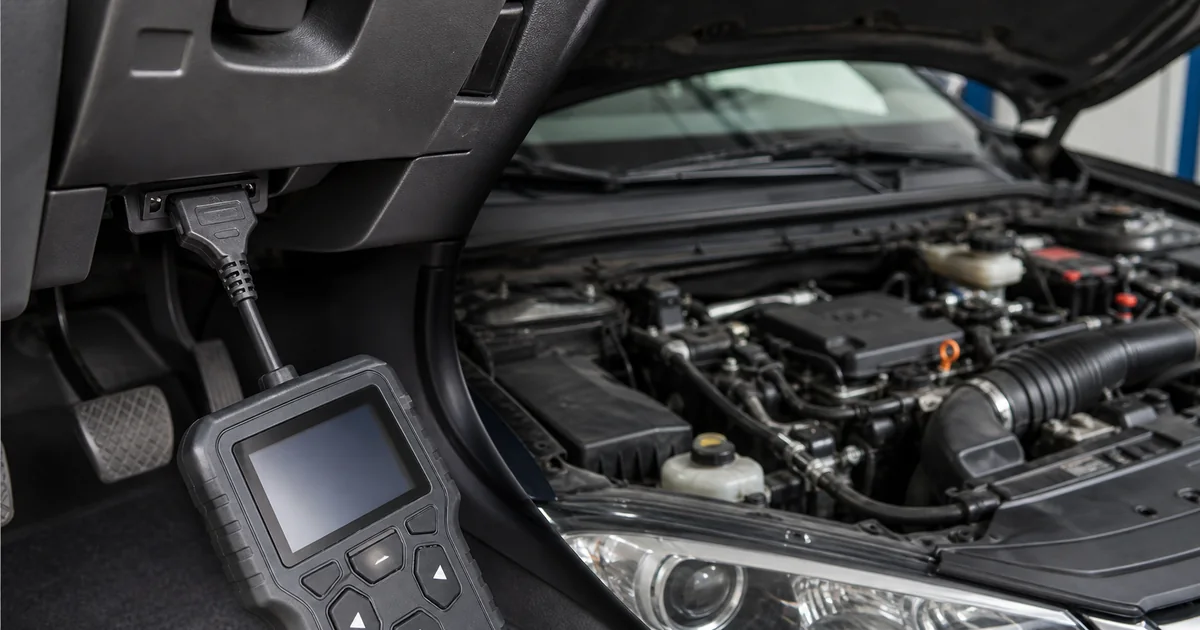
What to Do If Engine Temperature Rises is easier to understand when reported behaviors, measured results, automobile specifications, and newly completed history are considered together. This guide gives Madison and Nashville vehicle owners a safety-conscious way to collect useful supporting specifics, recognize reasons to reduce continued operation, and prepare for a professional inspection without guessing at a part or promising a repair before the car is checked. Use the steps as a conversation aid, not as permission to work around traffic, heat, pressure, electricity, moving components, or an unsupported motor vehicle. When the safe limit of a home observation is reached, preserve what you noticed and let proper equipment and car or truck-specific service context guide the next service decision.
Start with the condition, not a parts guess
an increasing temperature reading could quickly become an engine-damage risk, so the first service decision is safe shutdown without relying on continued diagnosis while continued operation. That principle keeps the conversation centered on measured results and motor vehicle requirements. It is more reliable than beginning with a product name or repair heard in a video because the same complaint might come from several systems.
Write down the first day the difference was noticed and any event that came before it. Weather, a pothole, a long trip, newly completed maintenance, tire installation, a jump start, or weeks of short-trip road use might be helpful context. The sequence often helps separate a new failure from an older operating state that has only become noticeable.
Build a useful symptom timeline
Drivers could report gauge movement, red alert, steam, coolant odor, heater variation, power loss, or a fan that runs unusually. Separate what you saw, heard, smelled, or felt from what you think caused it. A statement such as “the steering wheel shakes between 55 and 65 mph after the right-front tire was replaced” carries more diagnostic value than “the alignment is bad.”
Document whether the observed state new behaviors during acceleration, steady cruising, coasting, turning, braking, idling, or a cold start. If a caution signal appears, record its color, symbol, and whether it flashes. Stop time on the road when control, braking, tire structure, fluid containment, or engine temperature is compromised.
Checks that preserve good evidence
Begin by planning to turn off AC, move safely out of traffic, shut down when overheating, allow cooling, and arrange improve the ability to if fluid loss or indicator persists. Use a level, well-lit location and compare sides or positions when that is safety-conscious. Measurements, photos, and service records reduce ambiguity. Always use the motor vehicle placard, owner's background, and verified specifications instead of a generic internet value.
Some tests require a lift, scan tool, electrical load tester, alignment rack, pressure equipment, or hardware item measurement. Home observations might guide the visit, but they should not be used to declare a safety-related service item good when the relevant surfaces or internal concern cannot be seen.
Why inspection order matters
sensor faults could misreport temperature, but that possibility should not justify continued normal travel with other overheating signs. A disciplined inspection starts with the simplest safety and issue reviews, verifies installation and specifications, and only then moves toward less common causes. That order limits wasted hardware and makes the final recommendation easier to explain.
One repair might independently be required before another measurement becomes meaningful. Loose steering service components must be addressed before final alignment, an unhealthy battery might distort charging tests, and a damaged tire may mask the improvement from balancing. Ask how the proposed sequence connects each finding to the symptom.
Common decision errors
One error to avoid is opening a hot cap, pouring cold water into a hot engine, or motor vehicle operation to see whether the caution signal clears. Another is assuming that a temporary improvement proves the origin. Inflation, code clearing, tightening, charging, or moving a tire might new behavior a symptom without establishing why it happened.
It is significant not to continue repeated road tests when a condition is rapidly worsening. Preserve scan codes, caution signal behavior, leak documented facts, old service components where suitable, and before-and-after test readings. Those supporting facts create accountability and support verify that completed work solved the original concern.
Prepare for a productive appointment
Have ready: warning progression, ambient temperature, traffic, towing, leak or steam location, and recent cooling-assembly work. Add the car or truck identification information, present mileage, normal route, and any modifications. For intermittent concerns, note the conditions needed to reproduce them safely.
Ask for current availability and the first diagnostic step in place of demanding a final price for an unconfirmed repair. A responsible estimate can begin with inspection and recorded recorded values. The shop should be able to distinguish verified findings from possibilities that still need testing.
Madison and Nashville driving context
Local automobiles can spend the same week in stop-and-go traffic, interstate travel, heavy rain, heat-soaked parking lots, and rough construction zones. Those shifts place different demands on tires, cooling, charging, brakes, and suspension. A symptom that appears only in one issue is still helpful evidence.
For a current evaluation, call Titan Tire & Wheels at (615) 953-7490 before visiting 1432 Gallatin Pike N in Madison. Describe the concern and validate service timing. The correct outcome can be service, replacement, a broader diagnosis, or verification that the inspected system is operating within specification.
Questions worth asking after the inspection
Request a technician's explanation that to separate confirmed findings from possibilities that were considered but not verified. For what to do if engine temperature rises, useful observations can include recorded measurements, visible issue, a road-test observation, scan information, electrical results, pressure behavior, or comparison with the car or truck specification. The explanation should show why the recommended action fits the findings and which symptom it is expected to correct.
Another next step-ready question is whether another service must happen first, whether related components were inspected, and how the completed work will be verified. Depending on this topic, verification might include a second measurement, pressure hold, caution signal-light check, charging result, alignment printout, road test, or visual reinspection. Confirm which hardware, labor, service facility supplies, taxes, disposal, calibration, and warranty terms are included before authorizing work.
Finally, request a practical follow-up point. That may be an immediate recheck if a dashboard notice returns, a pressure or fluid evaluation after several days, a torque recheck where specified, normal maintenance time frame, or monitoring a documented measurement. An supporting supporting facts-based follow-up protects both the motorist and the repair business because it defines what improvement should look like and what new observations would justify another inspection.
Frequently asked questions
Can this concern be diagnosed from the symptom alone?
No. The symptom helps choose an inspection path, but measurements and vehicle-specific checks are needed before identifying a cause or repair.
What information should I have ready?
Bring the vehicle year, make, model, trim, mileage, recent service history, the timing of the symptom, warning-light behavior, and any measurements or photographs described in this guide.
When should I stop driving?
Stop and arrange qualified help when steering, braking, tire structure, pressure retention, engine temperature, visibility, or basic vehicle control is compromised.
Why should I call before visiting?
Current scheduling, diagnostic availability, inventory, parts, pricing, and repair scope vary. Calling first helps the shop prepare the appropriate next step.
Related guides
Continue reading
Road Trips · 3 min read
After a Long Trip, Record New Tire and Ride Concerns
A long trip can make changes in noise, vibration or pressure more noticeable.
Read the guide →Road Trips · 3 min read
Sending a Car Away With a Student: Make the Service Handoff Useful
Before a car leaves home for a semester, organize the information its driver will need to maintain it and get help.
Read the guide →
Road Trips · 3 min read
Good Tires Do Not Make a Flooded Road a Safe Route
Tire condition matters in wet weather, but it does not make floodwater predictable.
Read the guide →